
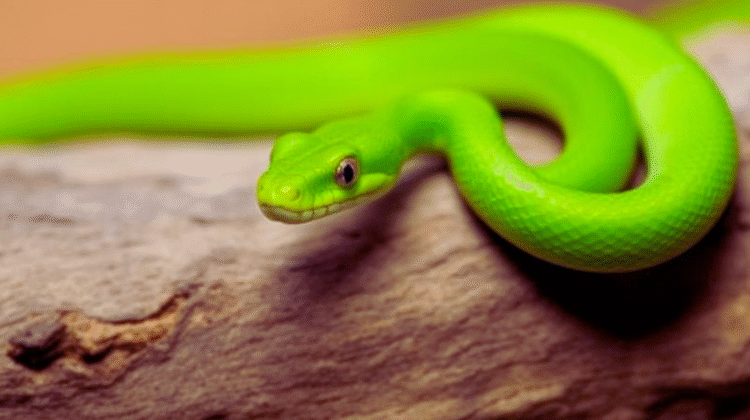
Smooth Green Snake as a Pet
Smooth green snakes are small, bright, and surprisingly charming. Their vibrant color and gentle nature make them fascinating to watch. However, they are not ideal for beginners. Many come from the wild, and adjusting to captivity can be tricky.
Imagine watching a tiny green snake glide gracefully among leaves in its terrarium. It pauses, flicks its tongue, and explores every nook. That quiet, delicate movement can be mesmerizing. But caring for them requires patience, attention to temperature, and the right diet.
Owning a smooth green snake is a rewarding journey. For those ready to commit, it offers a unique connection to nature and a glimpse into the life of a delicate, insect-eating reptile.
Overview & Key Facts
Smooth green snakes are small, slender, and primarily insect-eating. They remain calm and rarely bite, making them appealing to experienced hobbyists.
While they are gentle, they are not beginner-friendly. Many come from the wild, and some may take time to adjust to captivity. Correct habitat setup and attentive care are crucial to keep them healthy.
On average, smooth green snakes grow 12–20 inches long. They live about 5–7 years in captivity when cared for correctly. Their bright green color helps them blend into leafy environments, and their active, curious behavior makes them fun to observe.
These snakes are non-venomous, small, and docile. They respond well to gentle handling, but overhandling or improper enclosure conditions can stress them quickly.

Appearance & Subspecies
Smooth green snakes are slender with bright green scales. Their bellies are pale yellow or white. The scales are soft, giving them their name and a sleek look.
They typically reach 12–20 inches, with females slightly larger than males. Their small size and gentle body shape make them easy to observe in a terrarium.
Common subspecies include the Northern smooth green snake and the Southern smooth green snake. Each varies slightly in color shade and pattern.
Distinguishing them from other green snakes is simple: smooth green snakes have tiny, soft scales and lack the stripes or spots seen on many different species. Their delicate build and calm behavior also set them apart.
Natural Habitat & Geographic Range
Smooth green snakes live in grassy fields, forests, and near streams. They prefer areas with tall grass or leaf litter for hiding. These environments provide insects for food and protection from predators.
In North America, they are found from southern Canada through the eastern United States, extending into parts of the Midwest. Their range varies by subspecies and local climate.
Many smooth green snakes in the pet trade are wild-caught. Wild-caught snakes may struggle in captivity at first, needing time to adjust to terrarium life. Captive-bred snakes adapt faster and often show fewer stress-related health issues.
Read More: Chinchilla Life Expectancy
Snake Behavior
Smooth green snakes are active during the day. They explore their environment and spend time climbing or hiding in foliage.
These snakes have strong hunting instincts. They flick their tongues constantly to sense prey and enjoy stalking insects in their enclosure.
They are calm and generally tolerant of gentle handling. Always support their entire body and move gently to prevent stress.
Overhandling can cause anxiety or refusal to eat.
Smooth green snakes may hide frequently, especially in new environments. Providing leaves, branches, and small shelters helps them feel safe and encourages natural behaviors.
Diet & Feeding Guide
Insect-Eating Snakes in Captivity
Smooth green snakes primarily eat live insects in captivity. Crickets, small grasshoppers, and mealworms are ideal.
Feeding Frequency & Portion Sizes
- Juveniles: every 2–3 days
- Adults: every 4–5 days
Offer insects about the width of the snake’s head to prevent overfeeding.
Encouraging Natural Hunting Behavior
Let insects move freely in the enclosure. This stimulates activity and prevents boredom, mimicking natural hunting.
Water & Hygiene Tips
Provide fresh water daily in a shallow dish. Remove uneaten prey promptly to maintain a clean habitat and prevent stress.

Captive Habitat Setup
Terrarium Size & Security
A 20-gallon terrarium works well for a single smooth green snake. Ensure the lid is secure to prevent escapes.
Substrate & Hiding Spots
Use a mix of soil, moss, and leaf litter. Include branches, small sticks, foliage, and hide boxes to mimic their natural environment.
Temperature & Humidity
Maintain temperatures between 75–85°F during the day, slightly cooler at night. Keep the humidity moderate for healthy skin and shedding.
Enclosure Cleaning & Maintenance
Clean the enclosure regularly. Remove waste, uneaten food, and damp spots to prevent mites, respiratory problems, and stress.
Health Issues & Common Problems
Smooth green snakes are generally hardy but can develop health issues in captivity. Poor temperature, humidity, or diet can cause stress.
Watch for signs of stress: refusal to eat, excessive hiding, or unusual movements. Mites and respiratory infections are common if the enclosure is unclean.
Prevent problems by keeping the habitat clean and well-maintained. Provide fresh water, proper temperature, and gentle handling.
Always handle snakes slowly and support their body. Overhandling or sudden movements can trigger anxiety or injury.
Regular observation helps detect issues early and keeps your snake healthy and active.
Reproduction & Young
Smooth green snakes can breed in captivity, but it requires experience. Wild-caught snakes may need more time to adjust.
Breeding usually occurs in spring after a period of cooler temperatures. Females lay small clutches of 3–10 eggs in hidden, moist substrate.
Hatchlings are tiny, bright green, and need similar care to adults. Provide appropriately sized live insects and keep temperature and humidity stable.
Provide secure hiding spots for eggs and young. Avoid frequent handling until they grow stronger and adapt to captivity.
Conservation & Ethical Considerations
Many smooth green snakes in the pet trade are wild-caught. Captive-bred snakes adapt better and reduce pressure on wild populations.
Threats in the wild include habitat loss, pesticides, and predators. Populations remain stable, but responsible care helps preserve local ecosystems.
Owners should provide proper habitat, diet, and handling. Avoid releasing captive snakes into the wild. Follow ethical sourcing and local regulations.
Choosing captive-bred snakes supports conservation and ensures healthier, more adaptable pets.
Quick Tips & Checklist for Beginners
Smooth green snakes are best for experienced or intermediate hobbyists, not complete beginners. Patience and careful observation are essential.
Checklist:
- Terrarium: 20-gallon tank with secure lid
- Substrate: soil, moss, or leaf litter
- Diet: live insects, appropriately sized
- Temperature & Humidity: 75–85°F, moderate humidity
- Hiding spots & enrichment: branches, leaves, and shelters
Common mistakes to avoid:
- Overhandling or stressing the snake
- Using wild-caught snakes without experience
- Improper temperature or unclean enclosures
- Overfeeding or leaving uneaten prey
Following these tips ensures your smooth green snake thrives in captivity.
Final Thoughts
Owning a smooth green snake is rewarding but requires careful preparation. Their small size, calm temperament, and insect-eating habits make them unique pets.
Always consider ethical sourcing, proper habitat, and attentive care before deciding. Captive-bred snakes are ideal for reducing stress and supporting conservation.
With patience and dedication, these snakes provide fascinating behavior to observe and a subtle connection to nature. They offer a quiet, memorable experience for reptile enthusiasts.
FAQ
Q: Can beginners keep smooth green snakes?
A: They are not recommended for beginners. Experience with other small snakes helps ensure proper care.
Q: What do smooth green snakes eat in captivity?
A: They eat live insects such as crickets, small grasshoppers, and mealworms. Feed juveniles more often than adults.
Q: How long do smooth green snakes live?
A: With proper care, they typically live 5–7 years in captivity.
Q: Are wild-caught snakes harder to care for?
A: Yes. Wild-caught snakes may take longer to adjust and are more prone to stress.
Q: How do I handle a smooth green snake safely?
A: Support their body fully and move slowly. Avoid overhandling to reduce stress.
Q: What kind of enclosure is best for them?
A: A 20-gallon terrarium with a secure lid, proper substrate, hiding spots, and moderate temperature/humidity works well.

Leave a Reply