
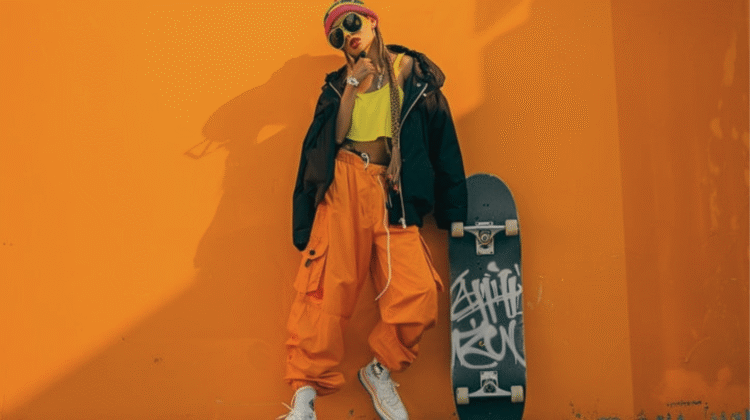
The 1990s were more than just a decade of baggy jeans, mixtapes, and VHS skate videos — they marked the golden age of skateboarding culture. What started as a gritty street sport quickly evolved into a full-blown lifestyle that shaped music, style, and youth identity across the globe. At the heart of this movement was 90s skater fashion, a blend of oversized fits, DIY customization, and attitude-driven trends that pushed back against mainstream norms.
Skater fashion wasn’t just about clothes — it was about belonging to a culture built on freedom, rebellion, and creativity. From local skate crews to big-name brands like Vans, DC Shoes, and Thrasher, the look became instantly recognizable and profoundly influential. Even today, many of these styles continue to inspire streetwear and modern fashion.
The Rise of Skateboarding Culture in the 90s
From Sport to Lifestyle: How Skating Took Over City Streets
In the 90s, skateboarding evolved beyond just a sport—it became a full-fledged lifestyle. Skaters transformed urban landscapes into playgrounds, using city streets, stair rails, and parking lots as creative arenas. This street-driven style blurred the line between athleticism and expression, making skateboarding not just an activity, but an identity.
The Influence of Skate Parks and Local Crews
Skate parks and local skate crews played a massive role in shaping the culture. They weren’t just spots to practice tricks but social hubs where trends, fashion, and ideas spread. Crews influenced how skaters dressed, acted, and even spoke, cementing skateboarding as a tight-knit subculture with its own rules and codes.
Youth Rebellion and DIY Culture
The 90s skateboarding scene carried a strong spirit of rebellion. Skaters rejected mainstream norms and embraced a raw, do-it-yourself attitude. From customizing boards to creating homemade zines and tapes, DIY became a badge of authenticity. This rebellious energy extended to fashion, where baggy jeans, oversized tees, and mismatched styles became a way to stand out from the polished mainstream.
The Origins of Skater Style
- Early skate influences from the ’70s and ’80s
Skater fashion didn’t just appear in the 90s—it had deep roots in the 70s and 80s. Early skateboarders often wore practical gear borrowed from surfers, including cutoff shorts, Vans sneakers, and loose tees that allowed easy movement. Safety gear like knee pads and helmets was standard but quickly swapped for a more casual, carefree style as skating evolved. - How surf culture and punk music shaped the look
Skating was heavily influenced by surf culture, with bold graphics, laid-back fits, and a beach-inspired vibe. At the same time, punk music injected a rebellious edge—ripped jeans, band tees, and DIY customization became staples. This mix of surf freedom and punk attitude created a unique aesthetic that resonated with young skaters. - Transition into the 90s skater aesthetic
By the time the 90s arrived, skater fashion had developed into a cultural identity. Oversized flannels, baggy jeans, and branded skate shoes became the norm, reflecting both comfort and rebellion. The style wasn’t about looking polished—it was about authenticity, individuality, and being part of a subculture that thrived on nonconformity.
Key Elements of 90s Skater Fashion
The 90s skater aesthetic was built on practicality, individuality, and a hint of rebellion. Unlike polished fashion trends, it embraced comfort and authenticity, resulting in an iconic look that still resonates today. Some of the most defining elements included:
- Baggy jeans and oversized pants – Wide-leg denim became a uniform for skaters, allowing free movement for tricks while rejecting the polished, slim fits of mainstream fashion. Brands like JNCO gained cult status for their extreme silhouettes.
- Cargo shorts and ripped denim – Durability mattered. Cargo shorts provided deep pockets for carrying essentials, while distressed denim reflected the wear-and-tear lifestyle of constant skating.
- Flannel shirts, hoodies, and layered clothing – Grunge music’s influence merged with skate culture, making plaid flannels, oversized hoodies, and layered looks staples for both warmth and effortless cool.
- Graphic tees as identity markers – Skate brands like Thrasher, Blind, and Zero used bold graphics to represent crews, attitudes, and counterculture identities. A t-shirt became more than clothing—it was a badge of belonging.
- Beanies, snapbacks, and chain wallets – Accessories completed the rebellious edge. Beanies and snapbacks represented a laid-back yet defiant style, while chain wallets were both practical and a statement of toughness.
- The role of skate shoes (Vans, DC Shoes, Airwalk, Converse) – Perhaps the most defining item, skate shoes provided grip, durability, and protection. Each brand became synonymous with a certain sub-style, influencing not only skaters but also mainstream sneaker culture.
90s skater fashion was never just about the clothes—it was a lifestyle reflected in every ripped jean, scuffed sneaker, and graphic tee.
Skater Fashion for Men vs Women
In the 90s, skater fashion blurred gender boundaries while still carrying distinct trends for men and women. 90s skater fashion for men was built around practicality and rebellion. Wide-leg trousers, oversized graphic tees, and chunky sneakers or skate shoes created a laid-back, durable, and effortlessly cool look. Chain wallets, snapbacks, and hoodies were also staples, reflecting a carefree lifestyle rooted in street and skate culture.
For women, 90s skater fashion embraced many of the same elements but added subtle twists. Baggy jeans paired with crop tops, layered flannel shirts, and Converse sneakers became signature choices. The contrast between oversized bottoms and fitted tops reflected the era’s mix of comfort and edge.
What truly set this era apart was how skate style challenged gender norms. Women confidently embraced loose-fitting silhouettes once seen as “masculine,” while men often adopted playful colors and bold graphic designs. Skater fashion became one of the few youth-driven styles that welcomed inclusivity and self-expression, regardless of gender.
Iconic Skateboarding Brands of the ’90s
The 1990s marked the golden era of skateboarding fashion, and much of its influence came from the rise of iconic brands that shaped the look and lifestyle of skaters everywhere. These labels weren’t just about clothing and shoes—they were cultural cornerstones that defined an entire generation.
Thrasher Magazine: The Skateboarding Bible
No brand captured the raw energy of skateboarding like Thrasher. Known for its fiery logo and bold attitude, Thrasher was more than a magazine—it was a symbol of authenticity. Wearing a Thrasher hoodie or tee became a badge of honor, representing a commitment to skate culture.
Vans and DC Shoes: Footwear Dominance
When it came to skate shoes, Vans and DC Shoes were the ultimate staples of the ’90s. Vans had already built a reputation for durability and grip, while DC brought in a chunkier, more padded style that dominated skate parks. Both brands became essential to the skater identity, influencing fashion far beyond the ramps.
Airwalk and Converse: Alternative Skate Sneakers
For those seeking alternatives to the mainstream, Airwalk and Converse offered the perfect options. Airwalk’s bold designs made it a ’90s favorite, while Converse’s timeless Chuck Taylors found new life in the skate scene, blending punk roots with skateboarding flair.
Streetwear Crossovers: Supreme, Zoo York, and World Industries
The late 90s saw skate culture merging with streetwear, giving rise to crossover brands like Supreme, Zoo York, and World Industries. These labels expanded skater fashion into urban style, blurring the lines between skateboarding, hip-hop, and street culture. They set the foundation for today’s global streetwear movement.
Skater Style Meets Music and Pop Culture
The rise of 90s skater fashion wasn’t limited to the skate park—it found a permanent place in music and mainstream culture. Pop-punk bands like Blink-182 and Green Day carried the laid-back, rebellious look onto the stage, pairing baggy shorts, band tees, and Vans sneakers with their high-energy sound. At the same time, hip-hop culture blended seamlessly with skate style, introducing oversized hoodies, snapbacks, and gold chains into the mix, proving the universality of the skater aesthetic.
The media also played a massive role. MTV brought skate videos, punk music, and alternative lifestyles into living rooms across the globe. At the same time, films like Kids and Lords of Dogtown cemented skateboarding as more than just a sport—it was a cultural identity. As skaters gained visibility, their fashion sense inspired fans who didn’t even step on a board, making skater style a global trend. By the late 90s, professional skaters and punk musicians had become unlikely fashion icons, influencing how teenagers dressed, acted, and expressed themselves far beyond the skate park.
Skateboarding Icons Who Defined the Era
Tony Hawk: The Mainstream Breakthrough
No discussion of 90s skateboarding is complete without mentioning Tony Hawk. Known for his incredible vert skills and groundbreaking tricks, Hawk became the first skater to land the legendary 900 spin in competition successfully. His influence wasn’t just limited to the ramps—his video game series Tony Hawk’s Pro Skater, launched in 1999, brought skateboarding to millions of living rooms and helped the culture explode into mainstream popularity.
Rodney Mullen: The Technical Innovator
If Tony Hawk was the face of vert skating, Rodney Mullen was the genius behind modern street skating. Mullen invented or perfected countless tricks still used today, including the kickflip, impossible, and heelflip. His creativity pushed skateboarding into an art form, inspiring generations of skaters who embraced flatground and street style as more than just a sport—it became pure expression.
Street and Vert Legends of the 90s
Beyond Hawk and Mullen, the 90s saw the rise of countless legends who left their mark. Bob Burnquist, known for his fearless switch tricks on vert; Eric Koston, who brought style and precision to street skating; and Daewon Song, whose technical mastery on ledges and manual pads set him apart. Each skater added their flavor, making the 90s a golden era for both progression and creativity.
Skaters as Style Setters for Youth Culture
These icons didn’t just influence how people skated—they also influenced how young people dressed and acted. Baggy jeans, graphic tees, Vans or DC shoes, and snapback hats became part of everyday streetwear, adopted even by kids who never stepped on a board. Skateboarding stars became cultural figures, embodying freedom, rebellion, and authenticity, shaping the look and feel of an entire generation.

The Cultural Impact of 90s Skater Style
The 90s skater style was more than just baggy jeans, oversized tees, and well-worn sneakers—it was a cultural shift. What started in empty pools and city streets grew into a global influence that extended far beyond skateparks. The era marked a defining moment when skateboarding’s look and attitude jumped from underground subculture to mainstream recognition.
From Underground to Mainstream Streetwear
In the early ’90s, skater fashion was seen as rebellious, existing outside the boundaries of polished fashion. Skaters wore what was practical for riding—loose clothing for movement, durable shoes for grip, and thrifted finds for individuality. But as the decade progressed, this raw style caught the attention of streetwear brands and fashion labels. Skater staples like Vans, baggy Dickies, and graphic tees became everyday streetwear for kids who never stepped on a board.
Influence on Grunge, Punk, and Hip-Hop Fashion
The 90s were a melting pot of youth subcultures, and skater style naturally blended with other movements. Grunge borrowed the flannels and laid-back fits, punk shared the DIY edge, and hip-hop found common ground in oversized silhouettes and sneakers. Skater fashion was adaptable—it could cross cultural boundaries while still holding onto its anti-establishment roots.
The Rise of Retro Skate Fashion Revival Today
Fast-forward to the 2020s, and 90s skater aesthetics are making a strong comeback. Vintage Thrasher hoodies, chunky skate shoes, and baggy jeans are trending again, both in skate culture and on fashion runways. What was once counterculture has now become a nostalgic staple, showing the timeless appeal of skateboarding’s golden era.
Skater Fashion: The Emblem of Rebellion and Freedom
At its core, 90s skater style wasn’t just about clothing—it was about attitude. The messy hair, ripped jeans, and scuffed sneakers symbolized freedom, individuality, and defiance of authority. Wearing skate-inspired fashion was a way for young people to express rebellion, even if they never set foot on a deck.
How to Recreate the ’90s Skater Look Today
Vintage Skater Outfits: Where to Find Them
If you’re aiming for an authentic 90s skater vibe, vintage is the way to go. Thrift stores, flea markets, and online resellers like Depop, eBay, or Grailed are treasure troves for oversized tees, baggy jeans, and old-school skate shoes. Look out for classic skate graphics, faded band tees, and worn-in denim—imperfections only add to the authenticity.
Best 90s Skate Brands Still Relevant Now
Many of the skate brands that defined the ’90s are still alive and kicking today. Vans, DC Shoes, Element, Blind, Santa Cruz, and Powell Peralta remain staples in skate fashion. These brands not only shaped the era but also continue to release retro-inspired collections, making it easier than ever to channel the decade’s style.
Modern Takes on Retro Skate Fashion
While baggy jeans and oversized hoodies still dominate, modern fashion has blended skate aesthetics with streetwear trends. You’ll see skater looks paired with slimmer cuts, tech fabrics, or even luxury collabs. Think Supreme x Vans or Palace x Adidas. These modern twists keep the style fresh without losing its roots in skate culture.
Tips for Building an Authentic Skater Outfit Without Looking Forced
The key to nailing the ’90s skater look is effortlessness. Stick to a mix of loose silhouettes, skate shoes, and simple accessories like a beanie or snapback. Don’t over-layer logos or try too hard with head-to-toe branded fits—it should feel relaxed and natural. Most importantly, skater style is about comfort and confidence, so wear what feels good while staying true to the culture’s laid-back vibe.
Fun Facts About 90s Skate Culture
How skaters customized their clothes
In the 90s, skaters didn’t just wear fashion—they hacked it. Jeans dragged the grip tape until the hems naturally tore. Flannels carried duct-tape repairs or patches from local crews. Some skaters hand-drew band logos or graffiti tags on sneakers, turning clothing into a moving canvas. Each piece told a story of falls, tricks, and style.
The role of DIY style and thrift stores
Secondhand shops fueled the look. Thrift racks offered oversized pants, rugged jackets, and worn Vans for cheap. Skaters valued function over polish—gear had to survive slams. DIY culture thrived: sleeves hacked off with scissors, chains added to wallets, and backpacks sprayed with skate logos. Fashion wasn’t bought, it was built.
Unexpected fashion crossovers from the ’90s skate scene
Skate style bled into other movements. Grunge bands wore Converse and flannels straight out of skate parks. Hip-hop crews picked up baggy jeans and snapbacks from skaters. Even luxury designers later echoed loose silhouettes and layered looks. What started on curbs and half-pipes ended up shaping streetwear worldwide.
Final Thoughts: From Skateparks to Fashion Capitals
The 90s skater aesthetic went far beyond the ramps and rails—it reshaped the way we think about casual fashion. What began as a functional style built for movement and durability evolved into a cultural marker that influenced streetwear across the globe. Brands that once catered only to skaters now dominate runways, music videos, and everyday wardrobes.
This style remains timeless because it embodies freedom, individuality, and rebellion—values that never go out of fashion. Oversized tees, baggy jeans, and bold sneakers continue to resonate with new generations, proving that skate culture has a staying power rooted in authenticity.
Skateboarding’s impact has always been more than just the sport. It represents a creative, anti-establishment spirit that has fueled music, art, and fashion for decades. From skateparks to fashion capitals, the ’90s skater look carved out a lasting cultural footprint, reminding us that true style often starts on the streets.

Leave a Reply