
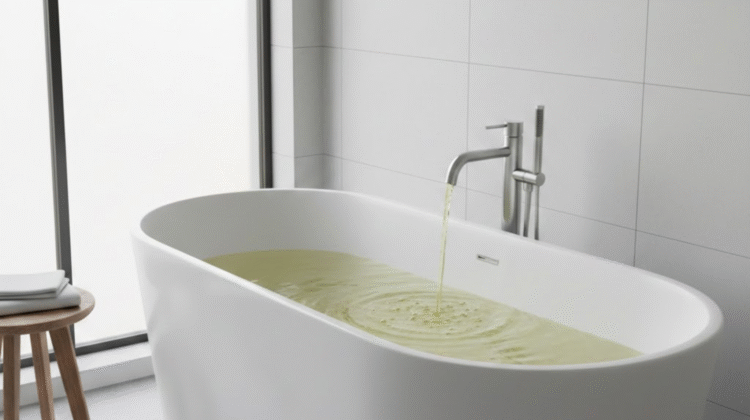
Have you ever turned on the tap, started filling your bathtub, and suddenly wondered, “why is my bath water yellow?” This situation can be confusing, frustrating, and even alarming—especially if you’re worried about health or water quality. Yellow bath water is more common than many people realize, and in most cases, it has a clear explanation and a fix.
This detailed guide explains why bath water turns yellow, what it means for your health, how to identify the exact cause, and what you can do to permanently solve the problem. By the end, you’ll know exactly how to handle yellow bath water with confidence.
Why Is My Bath Water Yellow? A Simple Explanation
The most common reason my bath water is yellow is contamination from minerals, rust, or sediment in the water supply. These substances mix with water and change its colour, especially when hot water is used.
Yellow water does not usually mean your water is unsafe, but it does signal an underlying issue that should not be ignored.
Common Reasons Why Bath Water Turns Yellow
Let’s break down the most frequent causes one by one.
1. Iron in the Water Supply
Iron is the number one reason people ask, Why is my bath water yellow?
How iron causes yellow water
- Iron dissolves naturally in groundwater.
- When exposed to air, iron oxidizes.
- Oxidation creates yellow, orange, or brown discoloration.
Signs of iron in the bath water
- Yellow or orange tint
- Metallic smell
- Rust stains on tubs and sinks
- Water darkens after standing.
Iron is especially common in well water and older plumbing systems.
2. Rusty or Aging Pipes
Old pipes can release rust into your water, especially if your home uses galvanized steel pipes.
Why does rust affect bath water?
- Corroded pipes shed rust flakes.
- Hot water accelerates corrosion.
- Sediment builds up overnight.
If you notice yellow water first thing in the morning, rusty pipes are likely the cause of my bath water being yellow.
3. Hot Water Heater Problems
If your cold water looks clear but your hot water turns yellow, your water heater may be the issue.
Common water heater causes
- Sediment buildup in the tank
- Corroded anode rod
- Old or poorly maintained heater
This is one of the most overlooked reasons behind yellow bath water.
4. Manganese in Water
Manganese often occurs alongside iron and can cause yellow, brown, or black discoloration.
How manganese behaves
- Looks clear at first
- Turns yellow when exposed to oxygen
- Can stain fixtures and laundry
Even small amounts can noticeably change the water colour.
5. Municipal Water System Maintenance
City water systems sometimes flush pipes or repair infrastructure.
How does this affect bath water?
- Disturbs sediment in the main lines
- Temporarily discolours water
- Usually clears within 24–48 hours.
If your neighbours also notice yellow water, municipal maintenance may be able to explain why my bath water is yellow.
6. Organic Matter in Water
Leaves, algae, or decaying organic material can seep into water supplies.
Common in:
- Well water systems
- Rural areas
- After heavy rainfall or flooding
Organic matter often causes water to turn yellow or tea-coloured.
7. Soap, Bath Products, and Chemical Reactions
Sometimes the water itself is fine, but bath products change its colour.
Possible reactions
- Bath bombs react with minerals.
- Oils emulsifying with iron
- Soap interacting with sediment
Try filling the tub without products to test this cause.
Is Yellow Bath Water Safe?
One of the biggest concerns people have is safety.
Generally safe, but not ideal
In most cases, yellow bath water is not dangerous, but it can:
- Dry out skin
- Irritate sensitive skin
- Stain towels and tubs
- Affect hair colour
However, water that smells bad or causes itching should not be used.
Health Risks of Yellow Bath Water
While usually low risk, long-term exposure may cause issues for some people.
Potential concerns
- Skin irritation
- Worsening eczema
- Hair discoloration
- Bacterial growth if organic matter is present
Children, older people, and individuals with skin conditions should avoid bathing in discoloured water.
How to Identify the Exact Cause
To pinpoint why my bath water is yellow, follow these simple tests.
1 Step: Hot vs Cold Test
- Fill one glass with cold water.
- Fill another with hot water.
- Compare color
2 Step: Smell Test
- Metallic smell → iron or rust
- Earthy smell → organic matter
- Rotten egg smell → sulphur bacteria
3 Step: Timing Test
- Yellow only in the morning → pipe rust
- Yellow all day → water source issue
How to Fix Yellow Bath Water
The solution depends on the cause.
Flush Your Plumbing System
This is the easiest first step.
How to do it
- Run cold water for 10–15 minutes.
- Flush all faucets
- Repeat for hot water.
This often clears temporary discoloration.
Drain and Flush Your Water Heater
Sediment buildup is a major cause.
Recommended schedule
- Once per year
- More often for hard water areas
This can dramatically improve water clarity.
Install a Whole-House Water Filter
For persistent issues, filtration is the best long-term solution.
Best filters for yellow water
- Iron filters
- Sediment filters
- Activated carbon systems
These systems treat all water entering your home.
Use a Water Softener (If Needed)
Water softeners reduce mineral buildup and improve water clarity.
Benefits
- Protects pipes
- Improves skin feel
- Reduces staining
This is especially helpful for iron and manganese.
Replace Old Plumbing
If pipes are severely corroded, replacement may be necessary.
Sign replacement is needed.
- Frequent discoloration
- Rust flakes in water
- Leaks or low pressure
While expensive, this provides a permanent fix.
Contact Your Water Supplier
If you’re on city water, report the issue.
They can:
- Test water quality
- Explain maintenance work
- Flush main lines
This step is often overlooked but very effective.
Well Water Users: Special Considerations
If you use well water, yellow discoloration requires extra attention.
Recommended actions
- Annual water testing
- Shock chlorination
- Install iron removal systems.
Well water problems rarely fix themselves.
Preventing Yellow Bath Water in the Future
Prevention is always easier than repair.
Best prevention tips
- Maintain your water heater.
- Use proper filtration
- Replace aging pipes
- Avoid chemical buildup
- Test water annually
These steps keep your water clear and safe.
When to Avoid Using Yellow Bath Water
Stop using the water immediately if:
- It smells foul
- Causes itching or rash
- Appears oily or cloudy
- Turns brown or black
In these cases, professional testing is essential.
Final Thoughts: Why Is My Bath Water Yellow?
If you’re asking why my bath water is yellow, the answer usually lies in minerals, rust, or sediment—not something you did wrong. While it’s often harmless, yellow water should never be ignored. Identifying the source early helps prevent plumbing damage, skin issues, and long-term costs.
Clear water is not just about appearance—it’s about comfort, hygiene, and peace of mind. With the right steps, you can restore clean, clear bath water and prevent the issue from coming back.
Frequently Asked Questions
Why is my bath water yellow, but sink water is clear?
Bathtubs use more hot water, which speeds up sediment release.
Can yellow water stain my tub?
Yes. Iron and manganese leave stubborn stains if untreated.
Is boiling water helpful?
No. Boiling does not remove minerals or rust.
Does bottled water help?
Only for drinking, not bathing.
Explore More
How Big Is a Full Size Bed? The Complete Guide to Choosing the Perfect Fit for Your Space
How to Fix Water Damaged Swollen Wood Floor
Markiseteppe: The Ultimate Guide to Comfort, Style, and Functionality

Leave a Reply