
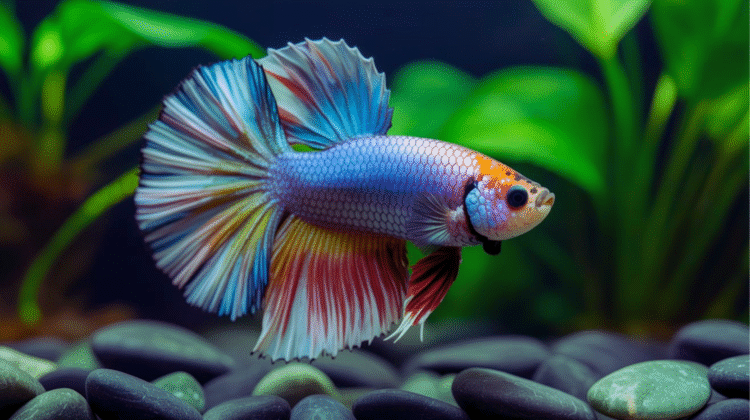
Betta fish are admired for their vibrant colors and flowing fins, but one of the most common health issues they face is fin rot. This condition can cause a Betta’s fins to appear ragged, torn, or even blackened at the edges. If left untreated, fin rot can spread, weaken your fish, and sometimes become life-threatening.
The good news is that Betta fish fin rot treatment at home is possible if you catch it early. With the proper knowledge, you can spot the symptoms, understand the causes, and provide the best fin rot treatment for Betta fish. This guide will walk you through everything you need to know, including symptoms, causes, prevention tips, and treatments you can do yourself.
What is Betta Fin Rot?
Betta fin rot is a common bacterial or fungal infection that causes the fins and tail of a betta fish to look ragged, torn, or shortened. It usually begins with small frayed edges or discoloration at the tips of the fins and can spread quickly if not treated. For beginners, you can think of it like a “skin infection” but on your betta’s fins.
Difference Between Fin Rot and Natural Fin Loss
It’s important not to confuse fin rot with natural fin wear. Sometimes bettas tear their fins on sharp tank decorations, rough plants, or even during mild aggression with tank mates. Natural damage usually looks like a clean tear with no discoloration or fuzz. Fin rot, on the other hand, often shows black, brown, or red edges, fraying, and a gradual shrinking of the fins.
Is Fin Rot Contagious?
Fin rot itself is not directly contagious like a virus, but the bacteria or fungi that cause it can spread in a shared tank. If one fish develops fin rot due to poor water quality, stress, or injury, other fish in the same environment may also get sick. That’s why keeping the water clean and treating the affected betta quickly is essential.
What Causes Betta Fin Rot?
Betta fin rot usually develops when harmful bacteria or fungi take advantage of a weakened fish. Several factors can increase the risk:
1. Poor Water Quality
Dirty water, ammonia spikes, or leftover food release toxins that stress bettas. When water is not cleaned regularly, harmful bacteria thrive and attack their fins.
2. Stress Factors
Stress lowers a betta’s natural defenses. Overcrowding, aggressive tank mates, or constant bullying make them more likely to get fin rot.
3. Injuries & Sharp Decorations
Rough decorations, sharp plastic plants, or fights can tear fins. These open wounds give bacteria and fungi an easy entry point.
4. Poor Diet and Low Immunity
If a betta eats low-quality food, it won’t get the nutrients needed to stay healthy. A weak immune system makes it harder to fight infections.
5. Underlying Infections
Sometimes, fin rot is a symptom of a deeper bacterial or fungal infection. These illnesses may spread if not treated quickly.

Symptoms of Betta Fin Rot
Recognizing the symptoms of Betta fin rot early can save your fish from severe damage. Since this condition worsens quickly, it’s essential to know what to look for at every stage.
Early Signs
In the beginning, fin rot appears as ragged fins, frayed edges, or slight discoloration. You may notice that your Betta’s fins don’t look as smooth and flowing as usual.
Progressing Signs
As the condition worsens, the fin tips may turn black or brown, and the edges of the fins can become inflamed or irritated. Your Betta may also show signs of discomfort, swimming less actively than before.
Severe Stage
In advanced cases, the fins may start breaking apart, falling off, or appear eaten away. If the infection spreads, it can move toward the body of the fish, which is extremely dangerous and potentially life-threatening.
For better identification, many aquarists search for Betta fish fin rot pictures to compare their fish’s condition with real examples. Having visual references can help you confirm whether your Betta is suffering from this disease.
Betta Fish Fin Rot vs. Fin Loss
It’s easy to confuse fin rot with natural fin loss, but knowing the difference helps you treat your Betta correctly.
Differences Between Fin Rot and Fin Loss
- Fin Loss: Usually caused by biting, rough decorations, or tank mates. The edges may look torn, but they heal smoothly over time.
- Fin Rot: Caused by bacterial or fungal infections. Edges appear black, brown, or red, frayed, and slow to heal.
Causes of Fin Loss
- Biting or chasing from tank mates.
- Sharp or rough decorations that cut fins.
- Minor accidents when swimming near gravel or ornaments.
How to Tell Them Apart
- Look at the edges: clean tears indicate fin loss, discolored/fraying edges indicate fin rot.
- Observe healing: damaged fins from injury recover faster without medication.
- Check water conditions: poor water quality often accompanies fin rot, not simple fin loss.
Knowing the difference ensures you take the right action quickly—treat infections for fin rot or just improve tank safety for fin loss.
Stages of Fin Rot in Betta Fish
Understanding the stages of fin rot helps you act quickly and choose the proper treatment.
Mild Fin Rot
- Fins show slight fraying at the edges.
- Discoloration may appear as light white or red marks.
- Usually treatable at home with improved water quality and care.
Moderate Fin Rot
- Fins experience more profound tissue loss.
- Black or brown edges become more noticeable.
- May require medication or aquarium salt baths for recovery.
Severe Fin Rot
- Fins start falling apart or are heavily damaged.
- Infection may spread throughout the body, causing serious health risks.
- Immediate treatment in a quarantine tank and possibly antibiotics are needed.
Recognizing the stage early ensures your Betta recovers faster and prevents the infection from reaching the body.

How to Treat Betta Fish Fin Rot
Treating fin rot quickly can save your Betta’s fins and prevent the infection from spreading. Treatment depends on how severe the fin rot is.
Diagnosing Fin Rot Properly
- Rule out fin nipping or natural growth: Check for clean tears or minor damage from tank mates or decorations. Fin rot will have frayed edges, discoloration, or blackened tips.
- When to consult an expert: If your Betta shows rapid tissue loss, lethargy, or body infection, seek advice from an aquarium veterinarian or experienced aquarist.
Home Treatments (Mild Fin Rot)
- Aquarium salt baths: Use aquarium salt at recommended doses (typically 1 tsp per gallon) to reduce bacteria. Soak your Betta for short periods while monitoring carefully.
- Improving water quality: Perform regular water changes, remove leftover food, and clean the tank thoroughly. Clean, stable water is the most critical factor for recovery.
Medications (Moderate to Severe Fin Rot)
When fin rot progresses beyond mild stages, medication may be required to save your Betta.
Safe Fin Rot Medications
- Use commercial fin rot treatments designed for freshwater fish.
- Follow instructions carefully; avoid overdosing.
- Products often contain antibacterial or antifungal ingredients to target the infection.
Use of Antibiotics
- Antibiotics should only be used if the bacterial infection is severe.
- Examples include erythromycin or kanamycin for fish-safe use.
- Always consult aquarium experts or veterinarians before use.
Importance of a Quarantine Tank
- Place the infected Betta in a separate quarantine tank.
- This prevents the spread of bacteria to other fish and allows easier treatment.
- Keep water clean, temperature stable, and monitor the Betta’s behavior closely.
How to Know if Fin Rot is Healing
Monitoring your Betta after treatment is essential to ensure recovery. Signs of healing include:
Fins Regrowing and Color Returning
- Damaged edges should start growing back smoothly.
- Discoloration at the fin tips should fade gradually, returning to standard vibrant colors.
Behavior Improving
- A healthy Betta will swim actively and show interest in food.
- Reduced hiding or lethargy indicates the fish is recovering well.
Regular observation helps you catch setbacks early and adjust treatment if necessary.
Preventing Fin Rot in Betta Fish
Prevention is always better than treatment. Proper care keeps your Betta healthy and reduces the risk of fin rot.
Tank Care & Maintenance
- Regular water changes: Replace 25–50% of the water weekly to keep ammonia and toxins low.
- Proper filtration: Use a gentle filter to maintain clean water without stressing your Betta.
- Avoid overcrowding: One Betta per tank prevents fights and stress, reducing disease risk.
Stress-Free Environment
- Choosing safe tank mates: Avoid aggressive or fin-nipping fish. Peaceful species are the best companions.
- Correct tank setup: Smooth decorations, live or soft plants, and no sharp edges prevent injuries.
- Reducing handling stress: Limit unnecessary tank disturbances and avoid overhandling your Betta.
Healthy Diet & Strong Immunity
- High-quality Betta pellets: Provide balanced nutrients to maintain a strong immune system.
- Occasional frozen/live food: Treats like bloodworms or brine shrimp enhance health and fin regeneration.
Consistent care, clean water, and a stress-free environment dramatically lower the chance of fin rot and keep your Betta vibrant.
When to Seek Expert Help
Sometimes, fin rot can become too severe for home treatment. Knowing when to consult a professional can save your Betta’s life.
Severe Infections Not Responding to Care
- If your Betta’s fins continue to deteriorate despite water changes, salt baths, or medications, professional help is needed.
- Rapidly spreading rot may indicate a deep bacterial or fungal infection.
Signs of Body Rot
- Fin rot that spreads toward the body is a serious warning sign.
- Look for red streaks, ulcers, or swollen areas on the body.
Fish Vet Consultation
- Seek advice from certified aquatic veterinarians.
- Authoritative sources include AAH (American Association of Aquarium Hobbyists), AVMA (American Veterinary Medical Association), and reputable aquarium vets.
- A vet can prescribe safe antibiotics, antifungals, or advanced treatments that are not available over the counter.
Professional intervention ensures your Betta receives targeted treatment and reduces mortality risk.
Common Mistakes Betta Owners Make
Avoiding common errors can prevent fin rot and keep your Betta healthy.
Overusing Medications
- Excessive or incorrect medication can harm your Betta and disrupt beneficial tank bacteria.
- Always use the correct dosage and ask experts if unsure.
Ignoring Water Quality
- Dirty water, leftover food, and high ammonia trigger fin rot quickly.
- Regular cleaning and monitoring of water parameters is essential for prevention.
Confusing Fin Rot with Fin Nipping
- Misdiagnosis can delay proper treatment.
- Injuries from tank mates or decorations heal naturally, unlike frayed and discolored fins caused by rot.
Being aware of these mistakes helps you act quickly and maintain a healthy tank environment.
Building Trust: Local & Expert Resources
Establishing credibility helps readers feel confident in your advice and encourages proper Betta care.
Local Fish Stores & Aquariums
- Mention nearby fish stores or aquarium shops where readers can buy quality Betta food, treatments, or equipment.
- Highlight local aquarists or fishkeeping clubs for in-person advice and support.
Trusted Links & Associations
- Reference reputable sources like the American Veterinary Medical Association (AVMA), AAH (American Association of Aquarium Hobbyists), or recognized aquarium societies.
- Providing links to these organizations helps readers verify information and reinforces authority.
Author Bio & Expertise
- Include the author’s experience in fishkeeping, aquarium maintenance, or veterinary care.
- Mention certifications, partnerships with local vets, or years of practical experience.
- Example: “Alex Smith has over 10 years of experience in freshwater fish care and collaborates with certified aquarium veterinarians.”
Conclusion
Betta fin rot is a common but preventable disease. Early recognition of symptoms, proper treatment, and consistent tank care keep your Betta healthy.
By maintaining clean water, a stress-free environment, and a balanced diet, you can significantly reduce the risk of fin rot. Regular observation and quick action at the first signs can save your fish from severe infections.
Remember: clean water is the most critical factor in preventing fin rot. Proactive care today ensures your Betta stays vibrant and strong tomorrow.
FAQs About Betta Fin Rot
1. What does Betta fin rot look like?
Fin rot usually shows as frayed or ragged fins, discoloration at the edges, and sometimes black or red tips. Severe cases may have fins falling apart.
2. Can fin rot kill a Betta?
Yes, if left untreated, fin rot can spread to the body, weaken your Betta, and become life-threatening. Early treatment is critical.
3. Is fin rot contagious to other fish?
The infection itself isn’t directly contagious, but the bacteria or fungi causing it can spread in a shared tank if water conditions are poor.
4. What is the fastest treatment for fin rot?
For mild cases, improving water quality and using aquarium salt baths work quickly. Moderate to severe infections may require medications or antibiotics in a quarantine tank.
5. Can Betta fins grow back after fin rot?
Yes. With proper care, fins can regenerate, though it may take several weeks. Clean water, a healthy diet, and low stress accelerate regrowth.
Read More: techtit

Leave a Reply