
Modern property protection relies heavily on cutting-edge tools. Traditional chemical sprays often cause unwanted damage to local ecosystems. New digital systems offer clean alternatives for managing bugs and rodents.
Tech platforms now track pest movements with extreme accuracy. Homeowners and businesses can deploy smart defenses without harming the environment. These shifts represent a massive upgrade in how people handle property maintenance.
Continue reading to discover everything you need to know!
High-Tech Traps and Humane Rodent Removal
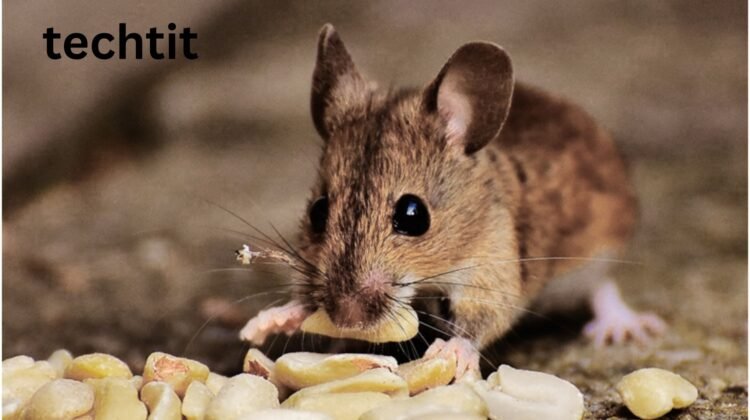
Managing small wildlife requires modern tools that avoid unnecessary harm. Property owners need reliable ways to clear out infestations without using cruel chemicals. Making a plan with Connor’s Pest Pros helps establish clean zones through smart mapping, and this strategy keeps properties safe without harming local wildlife.
Digital tracking devices send immediate alerts to mobile screens when activity occurs. Real-time updates prevent animals from remaining trapped for long periods. Electronic systems allow managers to handle rodent issues quickly and cleanly.
Property operators monitor these devices through simple cloud interfaces. Users adjust sensitivity settings from remote locations to avoid false alarms. This granular control reduces management costs for commercial facilities.
Precision Agriculture and Integrated Management
Farms use data networks to protect food supplies from insect damage. Digital dashboards track beetle populations across miles of open fields. A recent publication highlighted how innovations in precision agriculture upgrade system program effectiveness.
Targeted interventions mean fields receive treatment only where bugs gather. These software platforms compile data from field sensors to predict future outbreaks. Farmers view detailed maps showing exact insect counts on their tablets, and this granular data cuts down chemical usage by large margins.
Agricultural drones coordinate with sensors to map out problem zones. Automated machinery sprays exact dosages to minimize ecological impact.
Nanotechnology in Biopesticide Development
Microscopic science offers a clean path forward for crop protection. Microscopic shields defend active natural ingredients from losing strength in the sun. An industry report explained that nanotechnology builds nano-biopesticides using protective nano-encapsulation, and this design prevents environmental degradation before the ingredients finish their job.
Engineers engineer these microscopic particles to release active elements slowly. Heavy rain cannot wash the protective coatings away from leaves. This shield technology limits chemical runoff into nearby streams.
Laboratory testing confirms that nano-shields protect delicate plant systems. Green chemical alternatives achieve higher success rates when paired with these delivery methods.
Artificial Intelligence and IoT Integration
Machine learning algorithms now identify crawling bugs before infestations spread. Connected devices monitor traps 24 hours a day to gather behavioral patterns. Data specialists proved that integrating artificial intelligence with Internet of Things tech improves management efficiency.
Digital cameras scan entry points and categorize insects automatically. The automated software separates harmless ladybugs from destructive beetles instantly. Facility managers receive automated text alerts showing the exact species detected, and this automated scanning prevents major outbreaks before insects multiply.
Neural networks learn from historical data to forecast insect migration routes. Property management companies connect these tools to existing security hardware.
Economic Shifts in Automated Monitoring
The global demand for clean tracking systems drives massive financial investments. Tech developers create specialized hardware to meet strict green regulations. A market study valued the Middle East automated pest monitoring market at $6.3 million back in 2024.
Financial experts project this specific regional market will nearly double by 2031. The sector maintains a steady compound annual growth rate of 10.9%. Corporate offices invest heavily in these automated networks to guard warehouses.
High demand lowers manufacturing costs for basic sensor components. Venture capital funding pours into tech startups building automated sensors. International compliance laws push corporations toward non-chemical alternatives.
Acoustic Sensors for Early Detection
Subtle sounds inside structural wood can signal trouble long before visible signs appear. Specialized microphones pick up tiny vibrations that human ears miss completely. Research showed that advanced Internet-of-Things acoustic sensors record larval movements inside tree trunks.
These recordings confirm active infestations during very early developmental stages. Property managers use these listening tools to check structural beams for termites. Early discovery prevents thousands of dollars in hidden property damage.
Timber assets remain safe through regular audio scans. Acoustic monitoring software filters out external city noises to maintain precision. Inspectors save hours of manual labor by pinpointing exact larval locations.
Natural Attractants and Fermentation Scents
Scent science helps direct insects away from sensitive commercial zones. Natural mixtures trick pests by mimicking organic food sources perfectly. One study detailed how using natural attractants replaces harsh synthetic formulas.
Yeast and sugar combinations release specialized fermentation odors that copy nectar scents. Integrated programs combine these smart lures with standard biological defenses to balance local areas. Clean frameworks mix multiple strategies to protect foliage.
Farms implement regular crop rotation to disrupt insect breeding cycles. Growers choose pest-resistant plant varieties that naturally repel local bugs. Managers release ladybirds and parasitic wasps to control aphid populations naturally.
Teams deploy beneficial fungi to keep soil insect populations under strict control. These biological controls keep insect numbers low without damaging the soil. Vineyard owners use these scent traps to keep fruit safe.
Combining scent lures with biological systems forms a strong defense shield. Orchard managers see high survival rates for delicate fruit trees.
Genetic Population Control via CRISPR
Bioengineering offers permanent solutions to insect crises without deploying toxic sprays. Laboratory advancements allow scientists to alter specific insect traits safely.
A technology brief showed how CRISPR alters reproduction patterns without destroying living bugs. This tool manages wild populations through genetics instead of using chemical poisons.
The targeted approach solves long-term infestation puzzles in sensitive zones. Specialized teams deploy these solutions across specific testing zones. Modified insects pass down sterile traits to wild offspring.
Target species numbers decline gradually across several generations. Local ecosystems remain stable since no chemicals enter the food chain.
Embracing Innovation for Long-Term Sustainability
As technology continues to advance, sustainable pest control is becoming more effective, precise, and environmentally responsible. Innovations are helping reduce reliance on broad-spectrum chemical pesticides while improving crop health and protecting ecosystems.
By embracing innovative and sustainable pest control techniques, industries and communities can better balance the need for effective pest management with the responsibility to safeguard natural resources. As new technologies continue to emerge, they will play an increasingly important role in creating resilient, productive, and environmentally conscious pest management systems for the future.
Visit our website for more articles like this one!

Leave a Reply