
Introduction
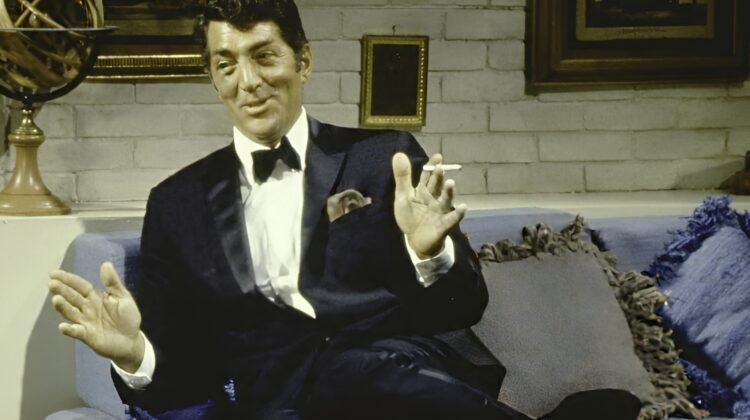
Dean Martin remains one of the most celebrated entertainers of the 20th century. Known as the “King of Cool,” Martin charmed audiences with his silky voice, effortless style, and magnetic stage presence. On December 25, 1995, the world bid farewell to this legendary crooner when he passed away at the age of 78. His death, caused by acute respiratory failure brought on by emphysema and lung cancer, marked the end of an era in music, comedy, and Hollywood glamour.
Early Life and Humble Beginnings
Dean Martin entered the world as Dino Paul Crocetti on June 7, 1917, in Steubenville, Ohio. The son of Italian immigrants, his early life was shaped by hard work, cultural pride, and the struggles of a small town. His father, Gaetano, worked as a barber, while his mother, Angela, was a homemaker. Italian was spoken at home, and Martin did not learn English until he began attending school.
As a child, Dino was shy and struggled academically. He was teased for his heavy accent and for not being fluent in the English language. At the age of 15, he dropped out of school and began working a series of jobs, including a steel mill worker, a gas station attendant, and even a bootlegger during Prohibition.
Despite his humble beginnings, Dino’s love for singing emerged at an early age. Influenced by Italian opera and popular swing music, he began performing at local clubs and weddings, where his rich baritone voice stood out.
First Steps into Entertainment
Before becoming a household name, Martin worked as a boxer under the name “Kid Crochet.” Although his boxing career was short-lived, it revealed his determination and fearlessness. Eventually, he returned to music and began performing with local bands in Ohio and the Midwest.
By the early 1940s, he moved to New York, where he started singing with bandleader Sammy Watkins. Watkins encouraged him to change his name to “Dean Martin” — a decision that would define his new identity.
Dean Martin and Jerry Lewis: A Timeless Comedy Team
In 1946, Dean Martin’s career took a dramatic turn when he met comedian Jerry Lewis. Their partnership became one of the most successful acts in the entertainment industry’s history.
Together, Martin and Lewis performed as a singer-comedian duo, combining Dean’s smooth vocals with Jerry’s slapstick comedy. They performed together in nightclubs, on radio programs, and later moved on to television and movies. Their chemistry was electric, with Martin playing the straight man to Lewis’s wild antics.
From 1949 to 1956, Martin and Lewis starred in 16 films, including At War with the Army and The Caddy. Audiences adored them, but the partnership ended after ten years due to creative differences.
Going Solo: Dean Martin the Crooner
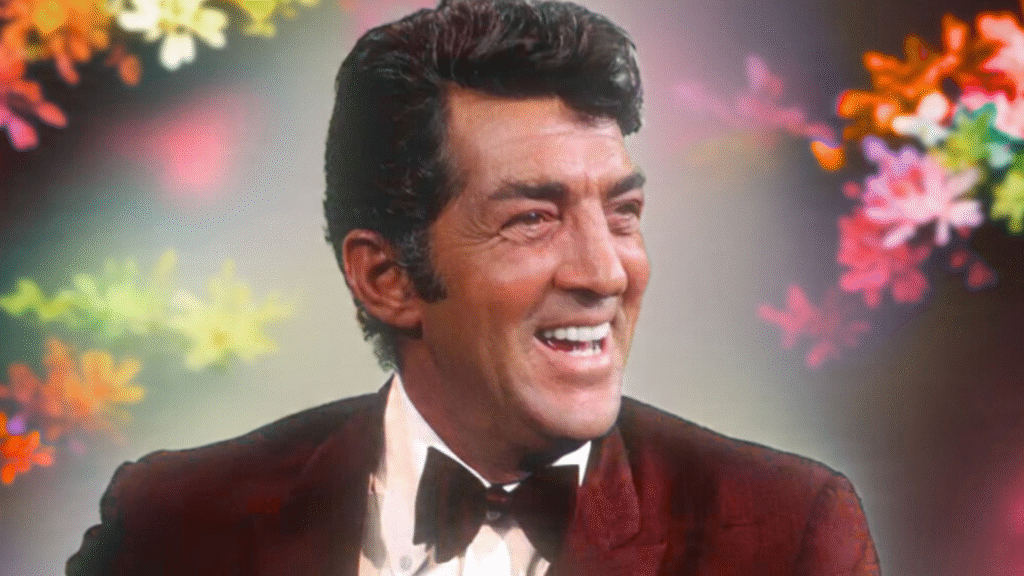
After the split with Jerry Lewis, many doubted Dean could thrive alone. He proved them wrong. Martin reinvented himself as a solo crooner, scoring major hits with songs such as:
- That’s Amore (1953)
- Memories Are Made of This (1955)
- Everybody Loves Somebody (1964)
- Ain’t That a Kick in the Head (1960)
His romantic, easygoing style made him a rival to Frank Sinatra and Bing Crosby. Unlike other singers, Martin projected a sense of effortlessness — as if singing was as natural as breathing.
Hollywood Stardom
Dean Martin was more than just a singer—he was also a skilled actor. His film career included comedies, westerns, and dramas. He starred in:
- Rio Bravo (1959) alongside John Wayne
- The Young Lions (1958) with Marlon Brando
- The Matt Helm spy series (1966–1969)
Martin’s acting style mirrored his singing: relaxed, charismatic, and filled with charm. Hollywood loved him for his versatility, which allowed him to transition easily from lighthearted comedy to serious roles.
The Rat Pack and Las Vegas Legacy
In the 1960s, Dean Martin became part of the legendary Rat Pack with Frank Sinatra, Sammy Davis Jr., Peter Lawford, and Joey Bishop. Together, they ruled Las Vegas with their concerts, films, and legendary parties.
Their performances at the Sands Hotel became iconic, blending music, comedy, and cool sophistication. Martin stood out as the laid-back member of the group, with a martini glass in hand and a smile that never faded.
During this era, Martin also starred in his hit NBC variety program, The Dean Martin Show (1965–1974). It showcased his comedy, music, and charm, making him a fixture in American households.
Personal Life and Family
Behind the spotlight, Dean Martin was a family man who married three times and had seven children. His family was central to his identity, and he often balanced fame with his role as a father.
Here’s a table of his children:
| Child’s Name | Mother | Notes |
| Craig Martin | Elizabeth Anne McDonald | Eldest son, producer and writer |
| Claudia Martin | Elizabeth Anne McDonald | Actress, passed away in 2001 |
| Gail Martin | Elizabeth Anne McDonald | Singer and actress |
| Deana Martin | Elizabeth Anne McDonald | Singer and entertainer |
| Dean Paul Martin | Jeanne Biegger | Singer, actor, Air Force pilot (died 1987) |
| Ricci Martin | Jeanne Biegger | Musician, passed away in 2016 |
| Gina Martin | Jeanne Biegger | Actress, married to Carl Wilson of The Beach Boys |
Retirement and Health Struggles
By the late 1970s, Martin began stepping back from the spotlight. Though he continued touring and performing, he eventually retired to a quieter life.
In the early 1990s, Martin’s health began to decline. Years of smoking and drinking had taken their toll, and he was diagnosed with lung cancer. Although doctors advised aggressive treatment, Martin refused surgery and chemotherapy, choosing instead to enjoy his remaining time with family and friends.
Dean Martin’s Death on Christmas Day
On December 25, 1995, Dean Martin passed away at his home in Beverly Hills. He was 78 years old. The official cause of death was acute respiratory failure caused by emphysema, worsened by his lung cancer.
His passing on Christmas Day deeply saddened fans worldwide. The city of Las Vegas dimmed its lights in his honor, a gesture once reserved only for figures like Elvis Presley and Frank Sinatra.
The Legacy of the King of Cool
Dean Martin’s death marked the end of an era, but his influence remains alive. His timeless recordings continue to play on radio stations, in films, and in commercials. Younger generations discover his music through streaming services, keeping his voice alive.
He is remembered not only as a singer but also as an entertainer who bridged music, comedy, and Hollywood glamour. The effortless charm, signature grin, and smooth vocals have secured his place as a cultural icon.
Dean Martin’s Influence on Modern Music and Pop Culture
Today, Dean Martin’s style continues to inspire artists across genres. His laid-back performance and crooning voice have influenced singers like Michael Bublé and Harry Connick Jr. Pop culture references to Martin still appear in movies, television, and Las Vegas shows.
Even beyond his artistic contributions, Dean Martin’s persona — witty, charming, and effortlessly cool — symbolizes a golden age of American entertainment.
Conclusion
Dean Martin’s story is one of resilience, reinvention, and timeless talent. From his modest beginnings in Ohio to global superstardom, he remained a man who connected with audiences through authenticity and charm.When he passed away on Christmas Day in 1995, the world lost more than just a singer. It lost a legend whose voice, laughter, and charisma will never be forgotten. To this day, Dean Martin remains the King of Cool, celebrated by fans old and new.

Leave a Reply