
Average Chinchilla Lifespan
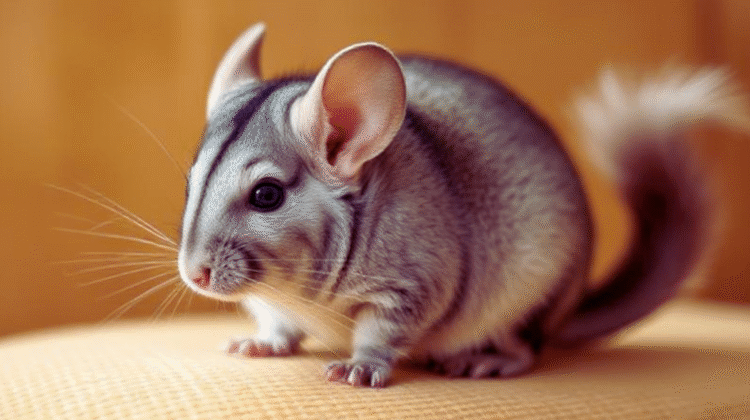
When it comes to small pets, few live as long as chinchillas. On average, the life expectancy of a chinchilla in captivity is around 10 years. However, with excellent care, some chinchillas have been known to live well beyond that, reaching 15–20 years or more.
In the wild, their lifespan is usually shorter, averaging 8–10 years, due to natural predators, harsher environments, and limited food availability. Captive chinchillas benefit from veterinary care, safe enclosures, and a steady diet, all of which contribute to their extended longevity.
To put their lifespan into perspective:
- Guinea pigs typically live 4–7 years, which is significantly shorter than the lifespan of chinchillas.
- Hamsters have a relatively short lifespan of only 2–3 years.
- Rabbits generally live 8–12 years, with some reaching up to 15 years; however, they are still usually less than a well-cared-for chinchilla.
This means adopting a chinchilla is a long-term commitment, often lasting as long as owning a dog or cat.
Several factors influence a chinchilla’s lifespan. Good care can add years, while neglect shortens life. Let’s explore the main influences.
Genetics and Breeding
Healthy genes set the foundation. Chinchillas from responsible breeders usually live longer. Inbreeding or poor breeding lines can increase risks of illness and shorten life.
Environment and Housing Conditions
A safe, clean, and stable home boosts health. Poor housing often leads to stress, infections, and early death. Proper bedding, ventilation, and hygiene make a big difference.
Temperature and Climate Control
Chinchillas thrive in cool, dry conditions. Exposure to temperatures above 75°F (24°C) can lead to fatal heatstroke. Maintaining a controlled room climate is critical for survival.
Stress Factors in Chinchillas
Stress weakens the immune system. Loud noises, rough handling, or loneliness can trigger health problems. Calm, predictable routines can reduce stress and add years to your life.
Cage Size, Enrichment, and Social Needs
Chinchillas are active and playful. A slight cage limits movement, leading to obesity and illness. Large cages with toys, shelves, and safe chews keep them healthy. Companionship also helps—chinchillas often live longer with a bonded partner.
How to Extend Your Pet Chinchilla’s Lifespan
Caring for a chinchilla correctly can significantly add to its life expectancy. With the proper diet, exercise, veterinary care, and hygiene, your pet can thrive well beyond the average life expectancy.
Nutrition and Diet
A balanced diet is one of the most critical factors in chinchilla longevity.
- Proper chinchilla diet and nutrition: Their main food should be high-quality hay (such as timothy or orchard grass), along with specialized chinchilla pellets. Safe treats, such as dried rose hips or apple sticks, can be given occasionally.
- Foods to avoid: Never feed sugary, fatty, or processed foods. Fresh produce should be given rarely and in tiny amounts, as excess can upset their sensitive digestive systems.
- Fresh water and hay: Clean, fresh water should always be available. Hay not only aids digestion but also helps keep chinchilla teeth properly worn down, preventing dental problems.
Exercise and Enrichment
Chinchillas are highly active animals that require both physical and mental stimulation to thrive.
- Daily playtime: Allow supervised playtime outside the cage in a safe, enclosed area every day.
- Safe toys and climbing structures: Provide chew toys, tunnels, shelves, and dust baths for natural behaviors.
- Preventing obesity and boredom: Regular physical activity helps prevent weight gain and reduces stress, leading to a longer, healthier life.
Veterinary Care
Routine health checks are vital for catching issues early.
- Regular checkups: Find a veterinarian experienced in caring for exotic pets, such as chinchillas, for yearly exams.
- Common health issues to watch out for include dental overgrowth, digestive stasis, respiratory infections, and fur-related issues.
- Preventive healthcare: Monitoring teeth, maintaining good digestion, and ensuring a clean, safe environment can prevent many health problems before they become serious.
Grooming and Hygiene
Unlike many pets, chinchillas require unique grooming practices.
- Dust baths: Provide a dust bath two to three times per week to keep fur clean, oil-free, and healthy.
- Clean cage conditions: A clean habitat reduces the risk of bacterial infections and parasites: spot clean daily and deep clean weekly.
- Handling tips: Always handle chinchillas gently, supporting their body to reduce stress. Avoid pulling at their fur, as they can shed patches when frightened.
Understanding Chinchillas in the Wild
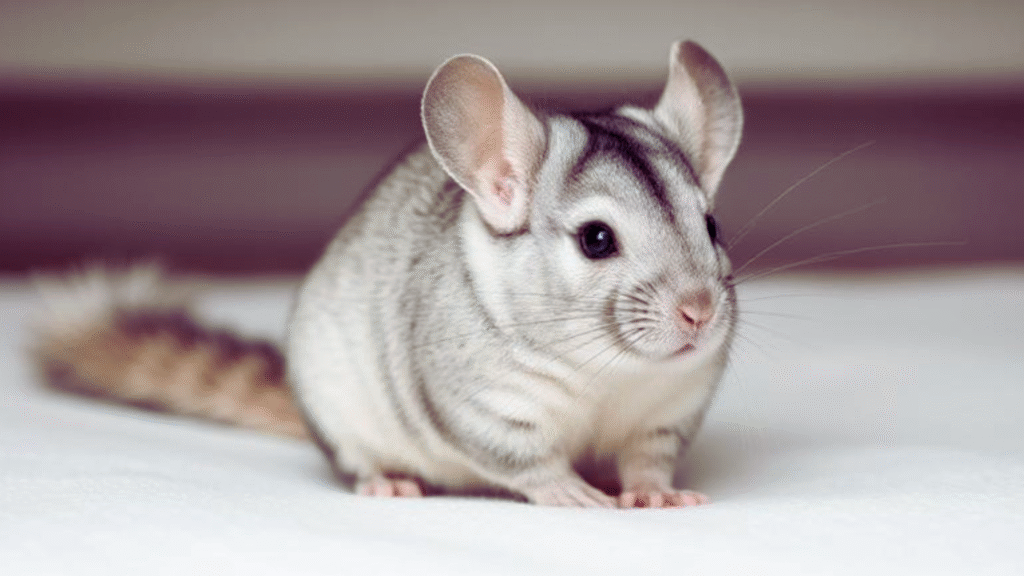
Chinchillas may be beloved pets today, but their origins can be traced back to the rugged landscapes of South America. To truly understand their lifespan and care needs in captivity, it’s helpful to look at how they live in their natural environment.
Origin in the Andes Mountains
Wild chinchillas are native to the Andes Mountains, spanning across Peru, Bolivia, Chile, and Argentina. These regions are characterized by extreme altitudes, featuring rocky terrain, sparse vegetation, and significant temperature fluctuations between day and night. This harsh environment shaped chinchillas into resilient and highly adaptable animals.
Natural Chinchilla Habitat
In the wild, chinchillas thrive in dry, rocky areas, where they utilize crevices and burrows for protection against predators and harsh weather conditions. The cool, dry climate of the Andes helps maintain their dense fur, which is too thick for hot or humid environments. These conditions allowed chinchillas to evolve into nocturnal, agile climbers with excellent survival instincts.
How Wild Conditions Shaped Their Lifespan and Behavior
Life in the wild is drastically different from captivity. While domestic chinchillas can live 10–20 years with proper care, wild chinchillas face constant threats from predators, limited food sources, and harsh climates, which reduce their lifespan significantly to about 8–10 years. Their behaviors, such as dust bathing, nocturnal activity, and strong social bonds, are all survival adaptations developed in their natural habitat.
Conservation Status and Threats
Unfortunately, wild chinchilla populations have declined drastically due to overhunting for their soft, dense fur—one of the most prized in the fur trade. Habitat destruction caused by agriculture and mining further threatens their survival. Today, both short-tailed and long-tailed chinchillas are classified as endangered species, with conservation programs working to protect and restore their populations in the wild.
Are Chinchillas Good Pets?
Chinchillas are increasingly popular as pets, thanks to their charming personalities and unique characteristics. However, like any pet, they come with both benefits and challenges. Understanding these will help you decide whether a chinchilla is the right companion for your home.
Pros of Owning a Chinchilla
One of the most significant advantages of owning a chinchilla is its long lifespan, which often ranges from 10 to 15 years with proper care, significantly longer than that of many other small pets. They are also known to be clean animals that groom themselves regularly, requiring minimal human intervention in this regard. Unlike some rodents, chinchillas have a very low odor, making them suitable for individuals who prefer a pet with a mild scent. When appropriately socialized, chinchillas can also become affectionate and playful, building strong bonds with their owners.
Cons of Owning a Chinchilla
On the other hand, chinchillas have specific needs that not everyone can meet. They require a calm environment because of their dense fur, which makes them prone to overheating. Daily attention and interaction are also significant, as chinchillas can become bored or stressed if neglected. Their care involves consistent routines, special diets, and safe spaces for exercise, which can be demanding for busy pet owners.
Who Should—and Shouldn’t—Adopt a Chinchilla
Chinchillas are best suited for dedicated pet owners who can provide time, space, and resources for their care. They are ideal for individuals or families seeking a long-term pet that thrives on interaction and mental enrichment. However, they may not be suitable for very young children who might handle them roughly, as chinchillas are delicate and can become stressed easily.
Adoption vs. Buying from Breeders
When considering bringing a chinchilla home, it’s essential to consider ethical sources. Many chinchillas are available through rescue organizations or adoption centers, often from owners who can no longer meet their care requirements. Adoption helps provide a home to these animals in need. If buying from breeders, ensure they are responsible and ethical, prioritizing the health and well-being of their chinchillas over profit. Avoid supporting breeders or sellers linked to the fur trade or poor breeding practices, as these contribute to animal suffering.
(FAQ)
How long do chinchillas live in the wild?
In the wild, chinchillas typically live a much shorter life, averaging about 8 to 10 years. Harsh climates, predators, food scarcity, and human threats, such as hunting, reduce their lifespan compared to those in safe, domestic environments.
What’s the oldest chinchilla recorded?
The oldest known chinchilla lived to be 29 years old, according to Guinness World Records. Although this is rare, it demonstrates their potential for long life when provided with exceptional care.
Do chinchillas live longer than guinea pigs?
Yes, chinchillas generally live longer. Guinea pigs typically have a lifespan of 4 to 7 years, while chinchillas often live 10 to 15 years, making them one of the longest-living small pets.
Can chinchillas live 20 years?
Yes, with the right conditions, chinchillas can sometimes live up to 20 years or more. Achieving this lifespan requires a stress-free environment, a balanced diet, cool temperatures, and plenty of enrichment.
Final Thoughts
Chinchillas are unique, long-living pets that can bring joy and companionship for well over a decade. On average, their lifespan ranges from 10 to 15 years, but with the proper care, many live well into their late teens and even beyond. This makes them one of the longest-living small pets you can adopt.
To give your chinchilla the best chance at a long and healthy life, focus on providing balanced nutrition, proper housing, a calm and stress-free environment, and regular health check-ups. Providing enrichment, chew toys, and safe social interaction will also keep them mentally and physically stimulated.The key takeaway is simple: with proper care and commitment, your chinchilla can thrive for 15–20 years or more, becoming not just a pet, but a cherished family member.
Read More: Green-cheeked Parakeet

Leave a Reply