
Introduction
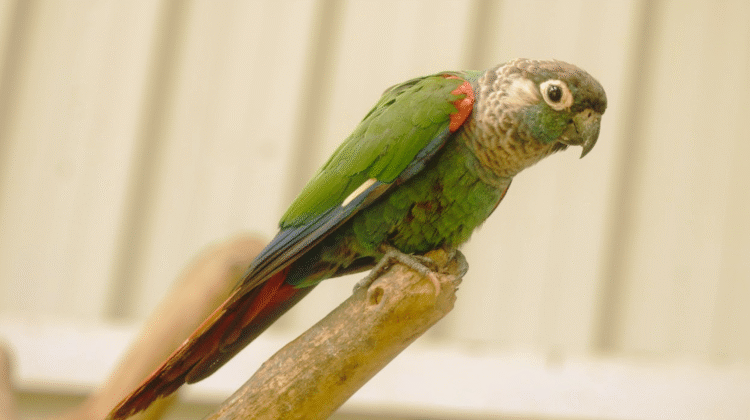
The Green cheeked Parakeet (Pyrrhura molinae), also commonly known as the Green Conure, is a small yet vibrant parrot that has captured the hearts of bird enthusiasts worldwide. Known for its playful personality, affectionate nature, and manageable size, it’s one of the most popular companion birds for both beginners and experienced bird owners.
Unlike larger parrots such as macaws or cockatoos, the green-cheeked parakeet is quieter, easier to care for, and adapts well to homes of all sizes. Its charming plumage, intelligence, and long lifespan make it a perfect family pet, while its playful and interactive behaviour ensures years of companionship.
Whether referred to as a green conure bird or green-cheeked parakeet, this small parrot blends colour, personality, and adaptability in a way that few other species can match.
Taxonomy and Systematics
The Green-cheeked Parakeet belongs to the family Psittacidae, which includes all true parrots. Within this family, it belongs to the genus Pyrrhura, which is known for its small to medium-sized conures that are social and intelligent.
Scientific Classification:
- Kingdom: Animalia
- Phylum: Chordata
- Class: Aves
- Order: Psittaciformes
- Family: Psittacidae
- Genus: Pyrrhura
- Species: P. molinae
This parrot shares close evolutionary ties with other conures, such as the Sun Conure (Aratinga solstitialis) and the Maroon-bellied Conure (Pyrrhura frontalis). Unlike the sun conure’s bright orange and yellow, the green-cheeked parakeet relies on green, maroon, and turquoise hues, providing camouflage in its South American habitats.
Evolutionarily, conures in the genus Pyrrhura have adapted to forests and woodland edges, using their plumage for protection against predators. They represent a highly diverse lineage within Psittacidae, with ongoing research exploring their genetics and ecological roles.
Physical Description
The green-cheeked parakeet is small but striking:
- Length: ~10 inches (25 cm)
- Weight: 60–80 grams
- Lifespan: 15–20 years on average; up to 25–30 years in captivity
Appearance:
- Predominantly green feathers
- Olive-colored cheeks
- Blue flight feathers
- Red tail
- Short, hooked beak and dark, expressive eyes
Compared to related species:
- Sun Conure: Brighter, louder, and larger
- Maroon-bellied Conure: Slightly duller in colour, similar in size
- Blue-crowned Conure: Bigger, noisier, requires more space
Its small size, soft voice, and playful demeanour make it ideal for apartments and small homes, while its colourful plumage provides a visual delight.
Distribution and Habitat
Native to Argentina, Bolivia, Brazil, and Paraguay, the green-cheeked parakeet thrives in tropical and subtropical forests, savannas, and woodland edges. Unlike parrots that are strictly dependent on dense forests, they adapt well to disturbed habitats and may even live near human settlements.
Preferred habitats:
- Lowland forests
- Rainforest margins
- Scattered tree areas and savannas
While the IUCN Red List lists them as “Least Concern,” threats such as deforestation and illegal trapping persist. Their adaptability, however, allows wild populations to remain relatively stable.
Behaviour and Personality
General Behavior
Green-cheeked parakeets are playful, curious, and affectionate. They enjoy:
- Climbing and exploring
- Chewing toys
- Learning simple tricks
- Cuddling with their owners
They form a deep bond with humans, often enjoying close physical contact and interactive play. Their quieter vocalisations, compared to those of other conures, make them suitable for apartment living.
Movement
Agile climbers use both feet and their beak to navigate perches, branches, and toys. Regular exercise is crucial for maintaining both mental and physical health.
Feeding
In the wild, they consume fruits, seeds, berries, and leafy plants. In captivity, a balanced diet should include:
- High-quality pellets (main diet)
- Fresh vegetables: spinach, kale, carrots, peppers
- Fruits: apples, mango, berries
- Seeds and nuts: occasional treats
- Avoid: avocado, chocolate, caffeine, and salty foods.
Breeding
- Nest in tree cavities
- 4–6 eggs per clutch
- Incubation: 22–25 days
- Chicks fledge in 7–8 weeks.s
- Both parents participate in feeding.
Vocalization
Not strong talkers, but can mimic whistles and a few words. Their soft calls are a significant advantage over louder conures, such as the Sun Conure.

Lifespan and Health
- Wild lifespan: 10–15 years
- Captive lifespan: 25–30 years with proper care
Common health concerns:
- Nutritional deficiencies (seed-only diets)
- Psittacosis (parrot fever)
- Respiratory infections
- Feather plucking (stress or boredom)
- Rare: Psittacine Beak and Feather Disease
Care tips for longevity:
- Balanced diet
- Clean the cage and fresh water.
- Regular vet visits
- Toys and mental stimulation
- Daily interaction
Color Variations
Selective breeding has produced attractive mutations:
- Pineapple Conure: Yellow chest, red belly
- Turquoise Conure: Bluish-green tones
- Cinnamon Conure: Pastel shades, softer green
All variations share the exact care requirements and temperament. Personality differences are minimal and mainly influenced by upbringing and socialisation.
Related Species and Comparisons
- Sun Conure: Larger, brighter, louder
- Maroon-bellied Conure: Similar size, less vibrant
- Blue-crowned Conure: Bigger, noisier, needs more attention
Green-cheeked parakeets excel for small homes due to their compact size, playful nature, and quieter voice.
Green-cheeked Parakeet Care Guide
Housing and Toys
- Minimum cage: 24 x 24 x 24 inches
- Horizontal bars for climbing
- Variety of perches and chewable toys
Socialisation and Mental Stimulation
- At least 2–3 hours of daily interaction
- Training: step-up, recall, simple tricks
- Rotate toys to prevent boredom.
Feeding
- Base diet: high-quality pellets
- Fresh fruits and vegetables daily
- Seeds/nuts in moderation
- Clean, fresh water at all times
Cultural Significance
- South America: Symbol of joy, companionship, and good fortune
- Global: Popular in North America, Europe, and Asia for apartments and urban living
- Welfare: Adopt ethically bred birds; avoid wild-caught pets
Conclusion
The Green-cheeked Parakeet combines intelligence, playfulness, and vibrant colour in a small, adaptable package. With proper care, a balanced diet, mental stimulation, and social interaction, it can live up to 30 years, providing years of affectionate companionship.
Ethical breeding and conservation efforts are key to preserving this species both in the wild and in homes worldwide. Whether admired in South America or as a family pet, the green-cheeked parakeet remains a symbol of joy, vibrancy, and the special bond humans share with parrots.
(FAQ)
Q1: Are they good pets for beginners?
A: Yes, due to their manageable size, affectionate nature, and quieter voice.
Q2: How long do they live?
A: 10–15 years in the wild, up to 25–30 years in captivity.
Q3: Can they talk?
A: They can mimic a few words and sounds, but are not strong talkers.
Q4: What is their average size?
A: ~10 inches (25 cm) in length, 60–80 grams in weight.
Q5: Are they noisy?
A: Quieter than most conures, suitable for apartments.
Q6: What should they eat?
A: Pellets, fresh fruits, vegetables, seeds in moderation, and clean water.
Q7: Can they live alone?
A: Yes, with plenty of human interaction, but pairs are also fine.
Q8: Do they bite?
A: Rarely, if well-trained; nipping usually indicates stress or fear.
Q9: How much attention do they need?
A: At least 2–3 hours daily outside the cage.
Q10: How big should their cage be?
A: Minimum 24 x 24 x 24 inches, with horizontal bars for climbing.

Leave a Reply